Your eyes play an important role in your everyday life, but it is easy to overlook changes in your vision. Many people wait until their eyesight becomes noticeably blurry before scheduling an eye exam. However, regular eye exams can help identify vision changes and detect certain eye conditions before they become more noticeable.
So, how do you know when it is time for an eye exam?
Here are some common signs that you may need to schedule an appointment with an eye care professional.
1. Your Vision Has Become Blurry
Blurred vision is one of the most common reasons people schedule an eye exam. You may notice that objects at a distance look unclear, or that you have difficulty reading books, signs, menus, or screens.
Changes in vision can happen gradually, so you may not immediately realize that your eyesight has changed. An eye exam can determine whether you need a new prescription or whether another issue may be affecting your vision.
2. You Are Experiencing Frequent Headaches
Frequent headaches, particularly after reading, working on a computer, or concentrating on close-up tasks, can sometimes be associated with vision problems.
Uncorrected refractive errors can make your eyes work harder to focus. If headaches are becoming frequent or are affecting your daily activities, consider discussing your symptoms with an eye care professional.
3. You Are Squinting More Often
Do you find yourself squinting to read signs or see objects clearly?
Squinting can temporarily improve focus by limiting the amount of light entering the eye. However, frequently needing to squint may be a sign that your prescription has changed.
An eye exam can help determine whether updated vision correction could improve your clarity.
4. You Have Difficulty Seeing at Night
If driving at night has become more difficult, or you notice increased glare or halos around headlights and streetlights, it may be time for an eye examination.
Night vision can be affected by several factors, including changes in your prescription and certain eye conditions. If you notice a significant change in your ability to see in low-light conditions, speak with an eye care professional.
5. You Are Having Trouble Reading or Seeing Up Close
As we get older, it is common for the eyes to experience changes in their ability to focus on nearby objects. This can make reading small print, using a phone, or working on close-up tasks more difficult.
If you find yourself holding reading material farther away or needing brighter light to read, an eye exam can help determine whether you need vision correction for near tasks.
6. Your Eyes Feel Tired or Strained
Long periods of screen use, reading, driving, or other visually demanding activities can contribute to eye fatigue and discomfort.
If your eyes frequently feel tired, sore, dry, or strained, an eye exam can help identify whether an underlying vision issue may be contributing to your symptoms.
Your eye care professional can also discuss healthy habits for managing digital eye strain.
7. You Are Seeing Double
Double vision should not be ignored. If you experience new or persistent double vision, schedule an eye examination and discuss the symptom with a qualified eye care professional.
Sudden double vision or sudden changes in vision can require prompt medical assessment.
8. You Notice New Floaters or Flashes
Occasional floaters can be common, but a sudden increase in floaters or the appearance of flashes of light can sometimes indicate a more serious problem inside the eye.
If you suddenly notice many new floaters, flashes, or a curtain-like shadow over part of your vision, seek urgent eye care rather than waiting for a routine appointment.
9. Your Contact Lenses Are No Longer Comfortable
If you wear contact lenses and they have become uncomfortable, dry, irritating, or difficult to wear, it may be time for an eye examination or contact lens check.
Your prescription, eye health, or lens fit may have changed. An eye care professional can assess your eyes and determine whether a different lens option or updated prescription may be appropriate.
10. It Has Been a Long Time Since Your Last Eye Exam
You do not always need to wait for noticeable symptoms before having your eyes checked.
Regular eye examinations are an important part of maintaining eye health. The appropriate frequency of eye exams depends on factors such as your age, vision needs, eye health, medical history, and risk factors.
Your eye care professional can recommend an examination schedule that is appropriate for you.
What Happens During an Eye Exam?
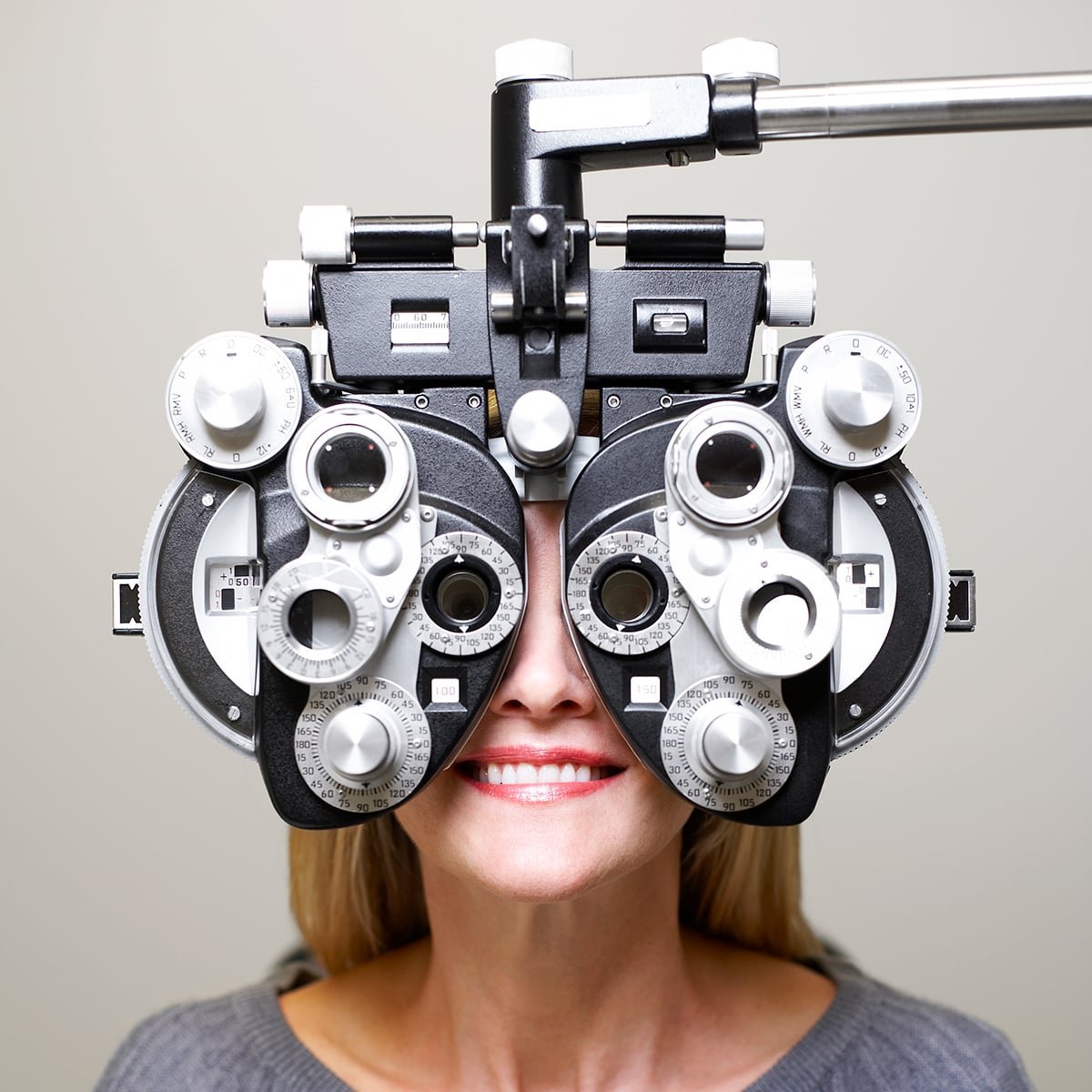
A comprehensive eye exam may include several assessments of your vision and eye health. Depending on your needs, your eye care professional may check your visual acuity, prescription, eye coordination, and other aspects of your eye health.
The purpose of an eye exam is not only to determine whether you need glasses or contact lenses. It can also help identify certain eye health concerns that may require further assessment or treatment.
Why Regular Eye Exams Matter
Your vision can change gradually without obvious symptoms. Regular eye care gives you an opportunity to monitor these changes and discuss any concerns with a professional.
An eye exam can help you stay up to date with your vision prescription and provide an opportunity to discuss concerns such as eye strain, dry eyes, contact lens comfort, and changes in your vision.
Schedule an Eye Exam with Krystal Vision
If you have noticed changes in your vision, frequent headaches, difficulty seeing at night, eye strain, or discomfort with your contact lenses, consider scheduling an eye exam.
At Krystal Vision, professional eye care services can help you understand your vision needs and keep track of changes in your eye health.
Don’t wait for vision problems to interfere with your everyday life. Schedule an eye exam with Krystal Vision and take an important step toward maintaining clear, comfortable vision.
Frequently Asked Questions
How often should I get an eye exam?
The recommended frequency varies from person to person. Your eye care professional can recommend a schedule based on your age, vision, eye health, and individual risk factors.
Can headaches be a sign that I need glasses?
In some cases, uncorrected vision problems may contribute to headaches, especially during visually demanding activities. An eye exam can help determine whether a vision issue may be contributing.
Should I have an eye exam if my vision seems fine?
Yes. Some eye conditions may not cause noticeable symptoms in their early stages. Regular eye examinations allow your eye care professional to monitor your vision and eye health.
When should I seek urgent eye care?
Sudden vision loss, sudden double vision, a sudden increase in floaters, flashes of light, or a curtain-like shadow in your vision should be assessed promptly by an eye care professional or emergency service.
Can an eye exam detect more than vision problems?
An eye examination can assess various aspects of eye health in addition to determining your vision prescription. Your eye care professional can explain what tests are appropriate for you.